User persona
Daily care user
- Needs
- See daily priorities and choose an achievable next step.
- Possible friction
- Competing information and uncertainty about whether a goal was saved.
Personalized medicine, from daily care to genomic research.
WeCare imagines health care shaped around each person: a mobile app helps people keep up with daily health routines, and desktop software helps specialists investigate genomic and biological data.
WeCare is my graduation project from Emily Carr University, a speculative personalized-medicine platform that pairs preventive care with genomic insight. It has two products under one identity. A mobile app helps people review daily activities, track health metrics, and set goals. Desktop software helps specialists prepare data files, inspect genome sequences, and compare biological models across scales. WeCare received the 2023 ECU Health Design Award for Service and was shown at The Show exhibition.
A proposed persona, empathy map, and journey explore how people review daily priorities and set manageable goals.
Daily care user
Setting a health goal can stall on competing information, an undefined goal, too many decisions, or not knowing whether the goal saved.
What matters today?
Competing information
Daily activities first
Where do I begin?
An undefined goal
Clear goal categories
What fits my routine?
Too many decisions
Related details grouped together
What happens next?
Unclear whether the goal saved
Visible save confirmation
App destinations and a proposed goal-setting flow connect daily progress with a clear next action.
Home, Goals, and Profile separate daily tasks, progress, and personal care information.
The proposed flow confirms a saved goal or returns to incomplete fields for correction.
Select a route to follow a goal with complete details or one with missing details.
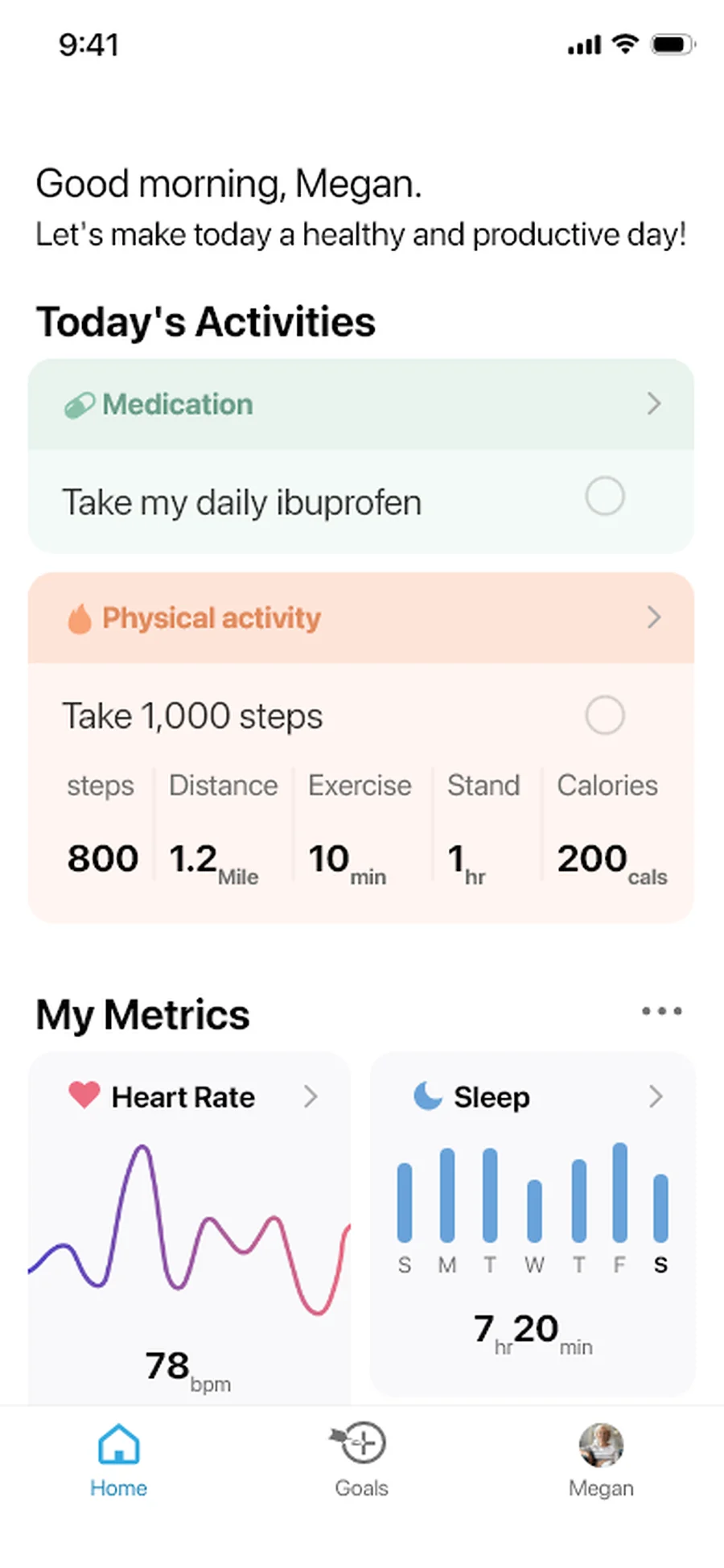
Daily check-ins open with the activities that need attention, the metrics that changed recently, and the goals that turn intentions into a plan.
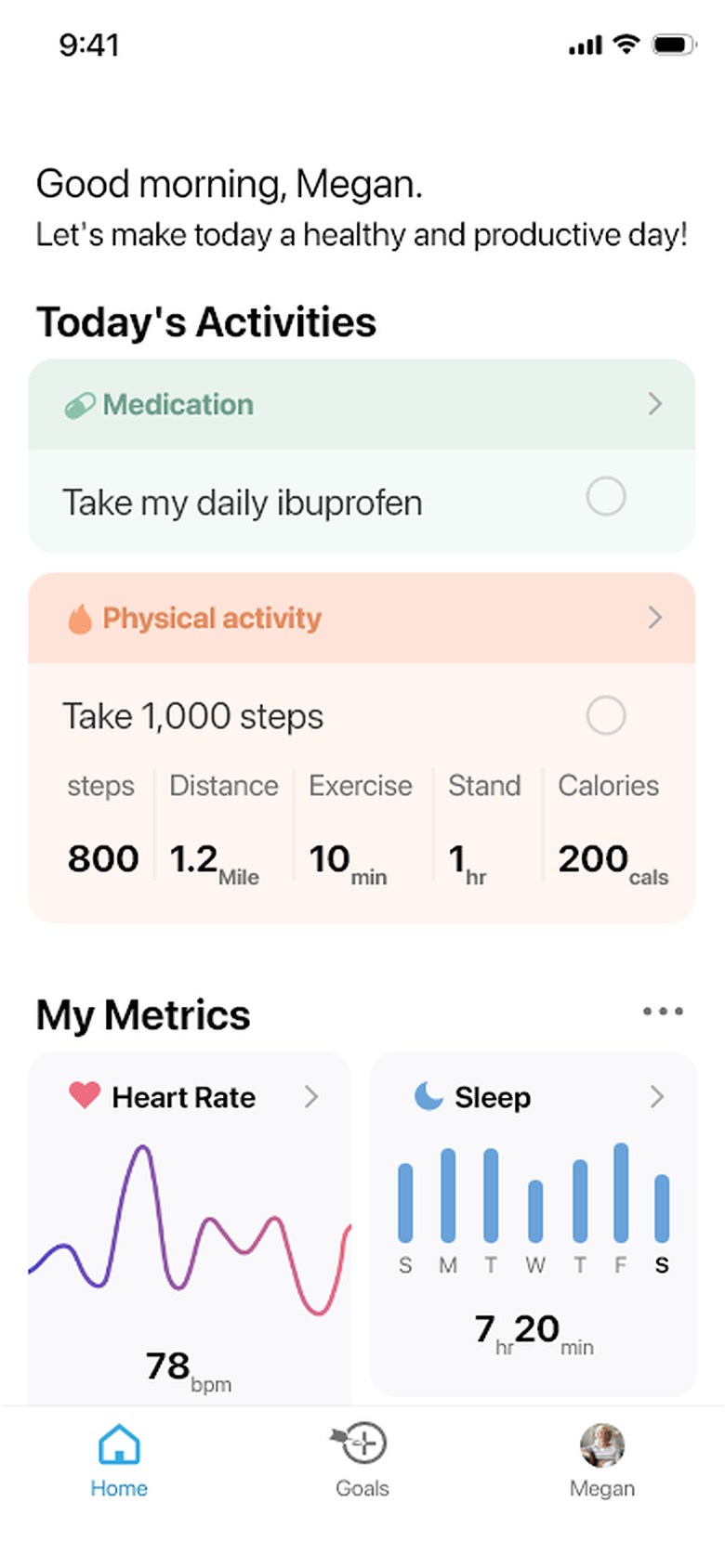
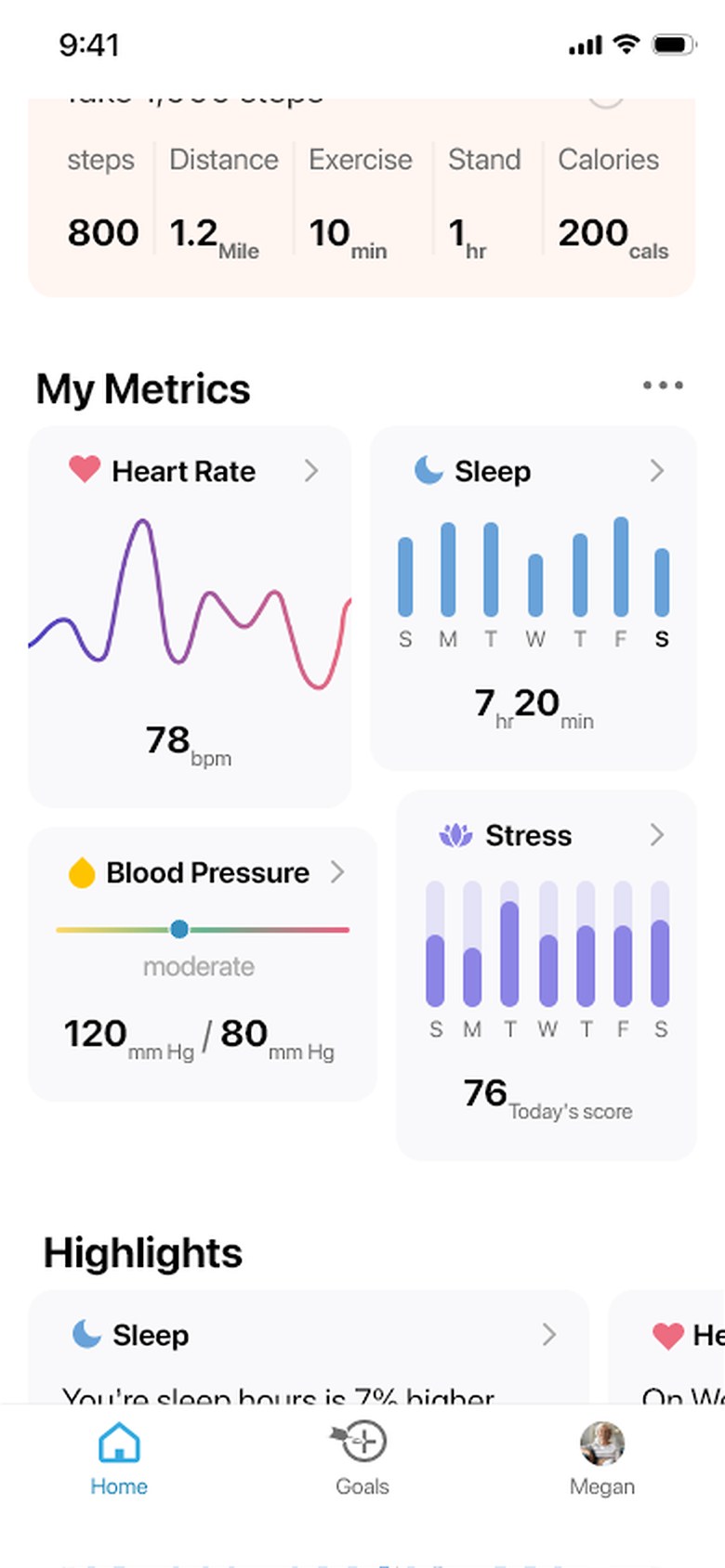
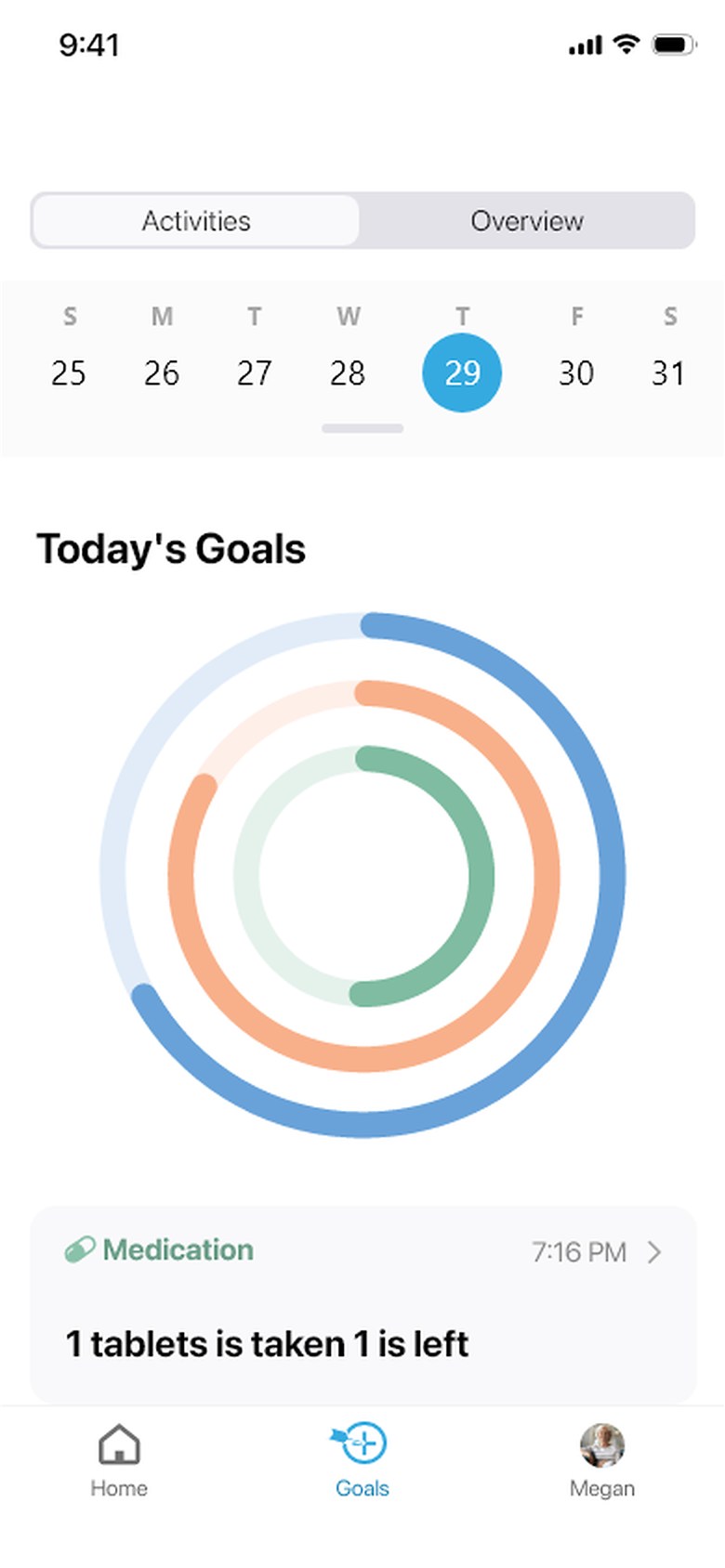
The app leads from today’s priorities and goal progress to choosing a goal category and entering its details.
Current readings and history offer two views of heart rate and physical activity.
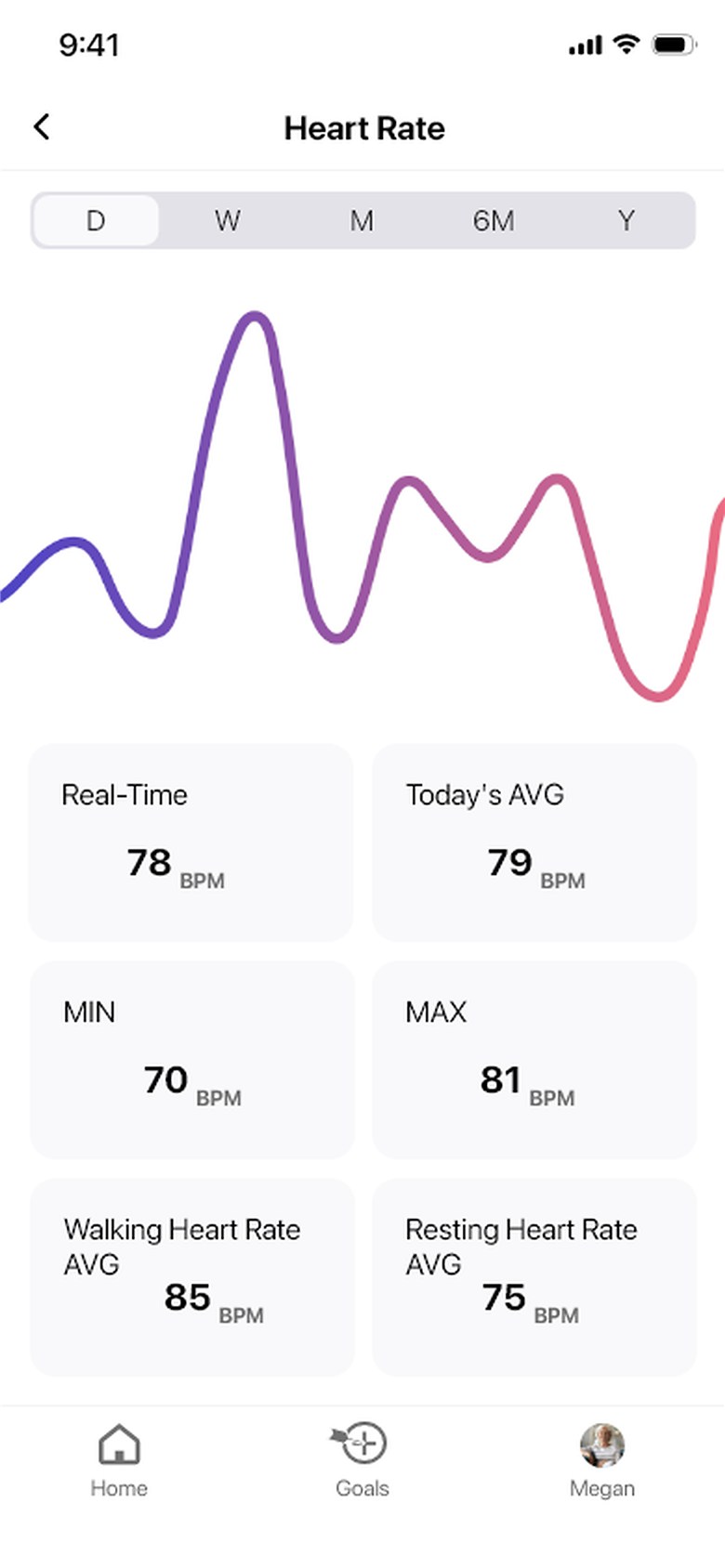
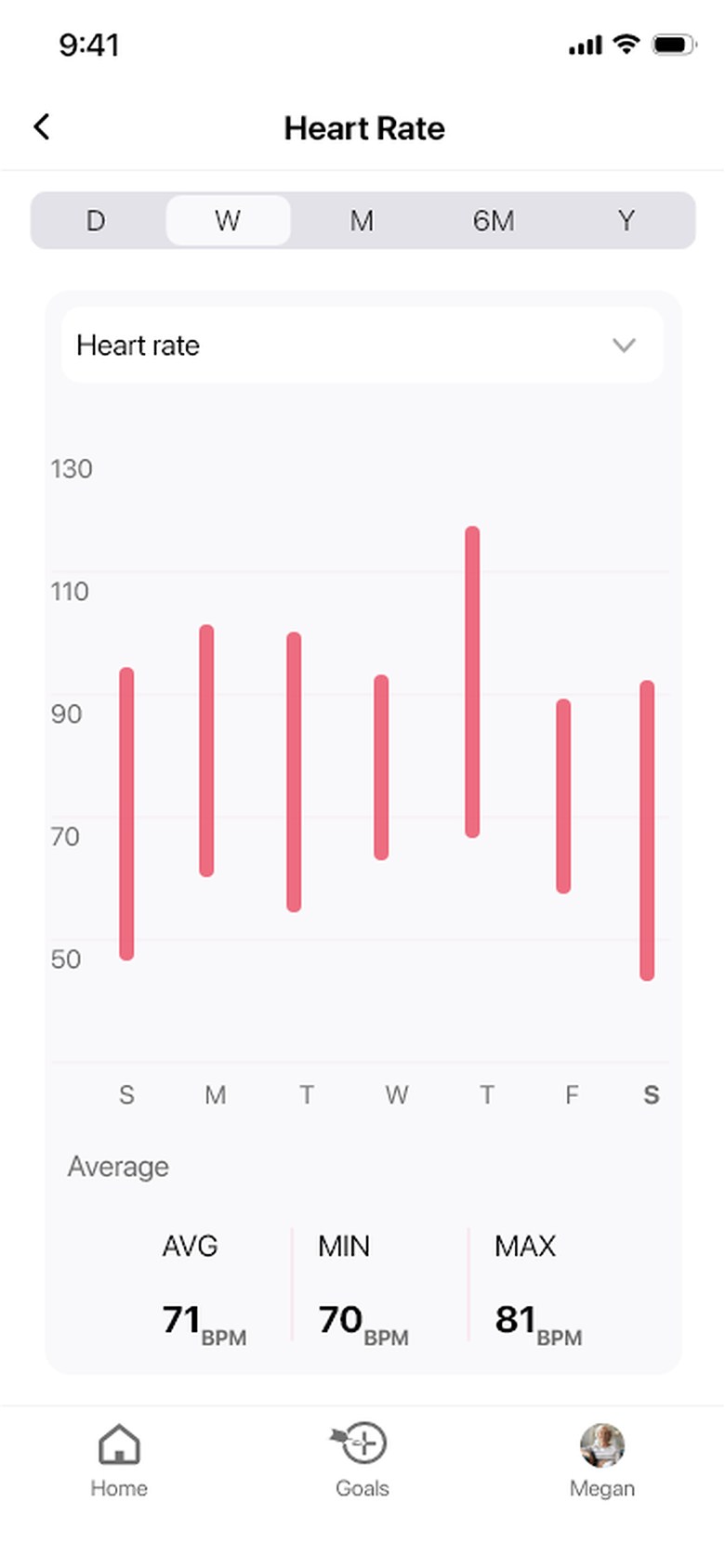
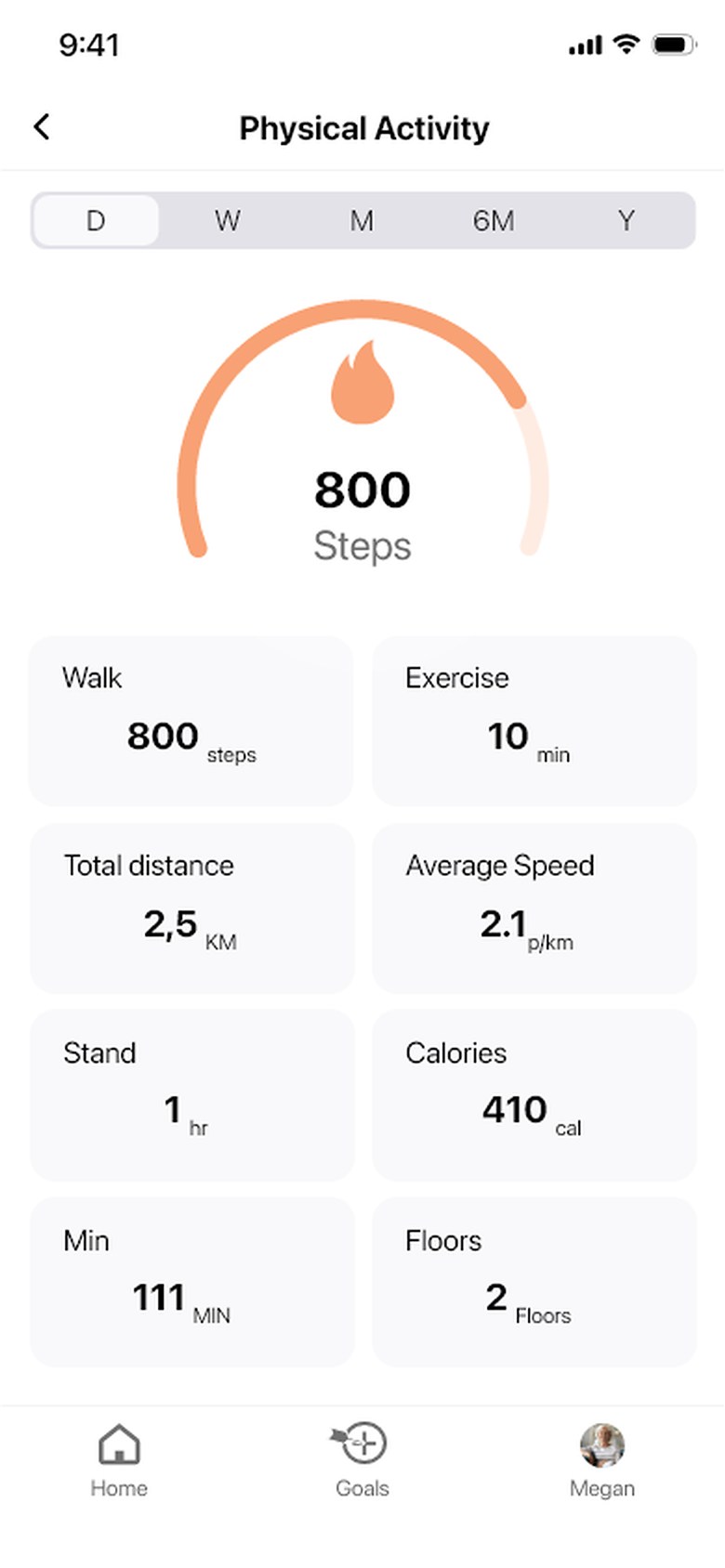
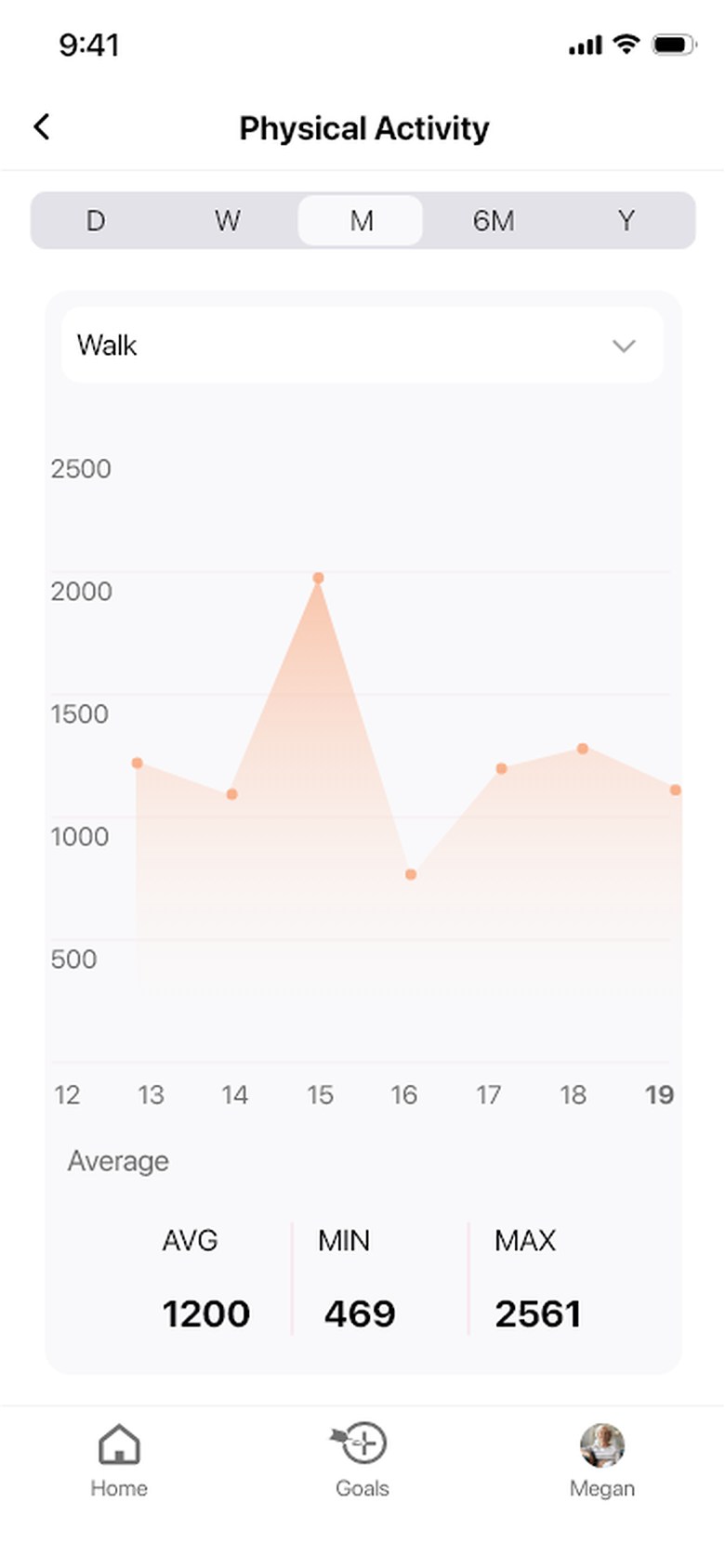
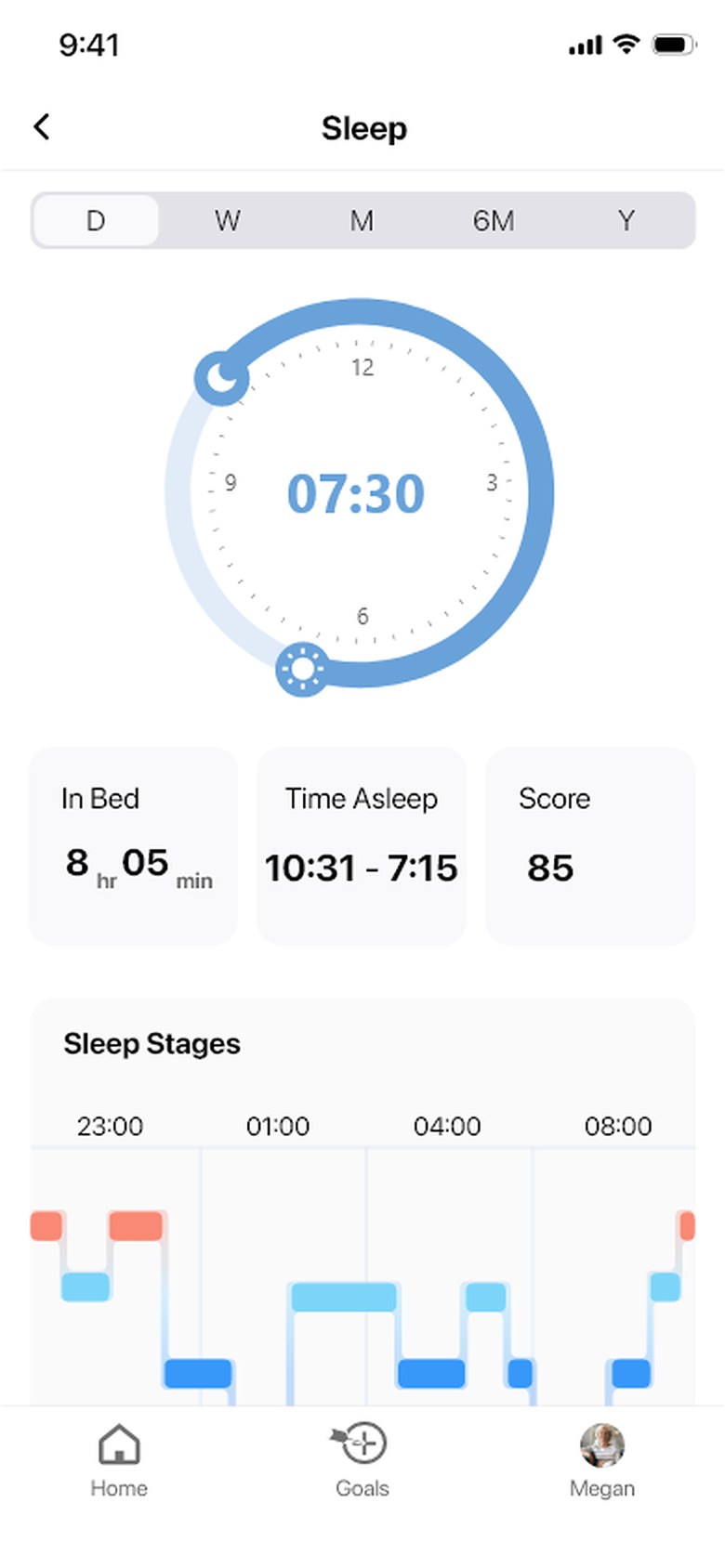
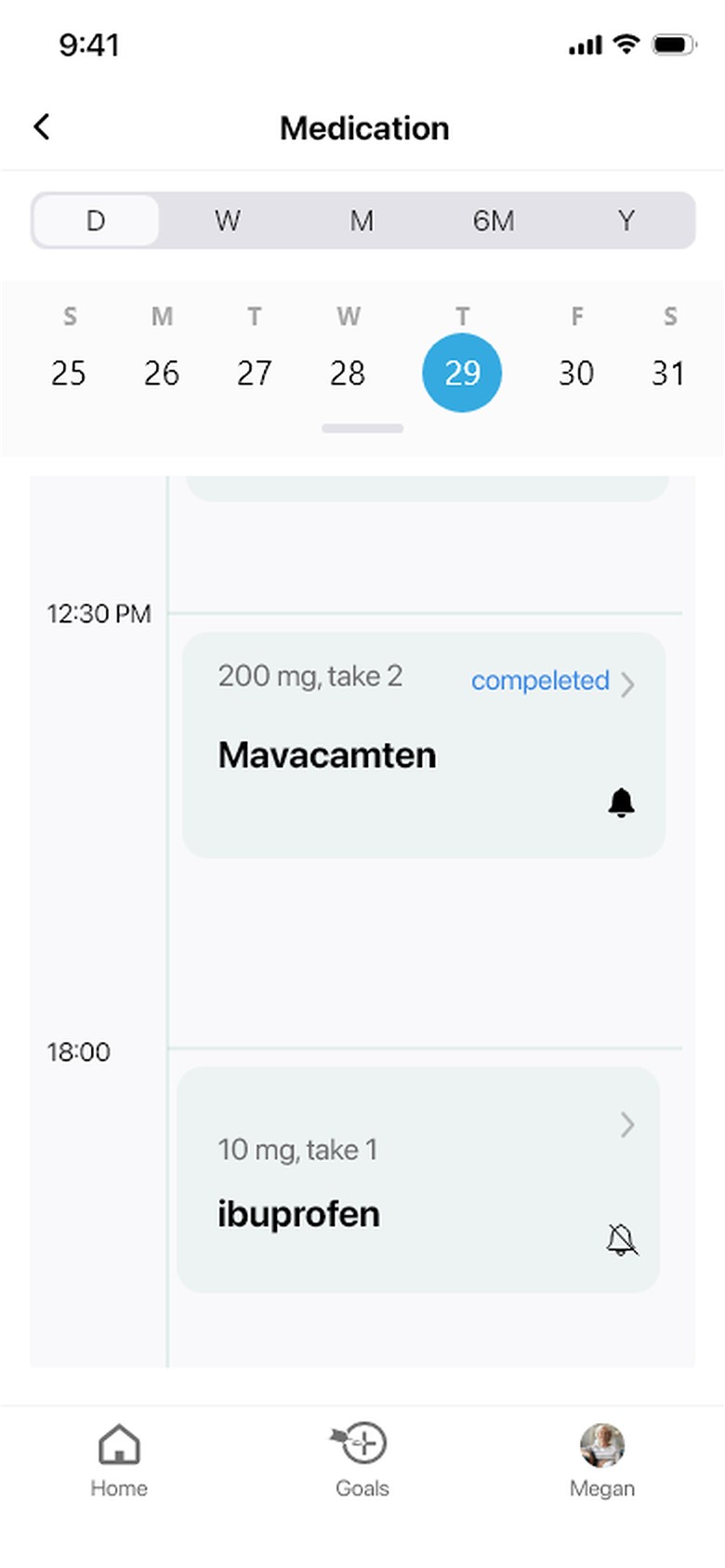
Sleep, medication, and profile screens organize different types of care information.
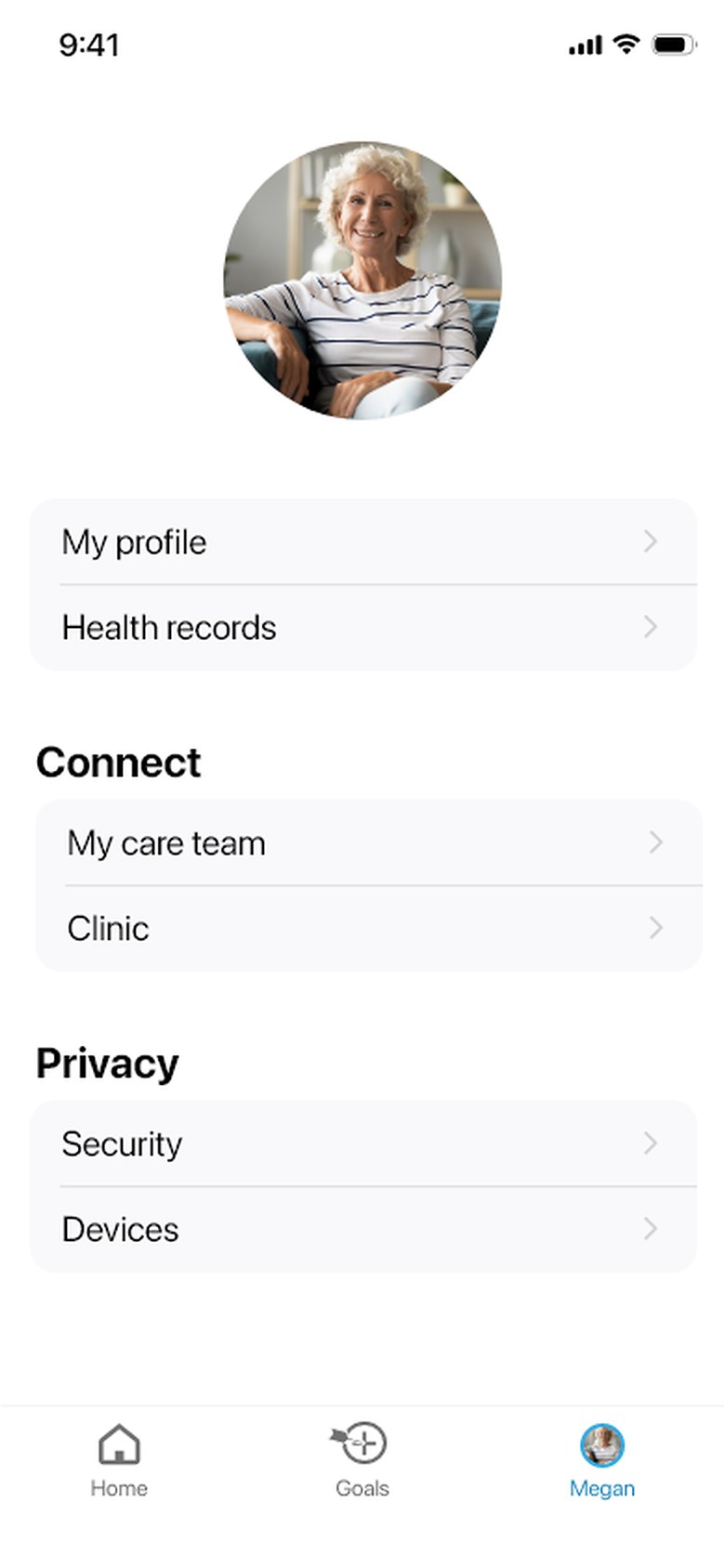
In the mobile app, setting a health goal moves from choosing an activity to defining a target and schedule.
Start from current progress, then choose a goal category.
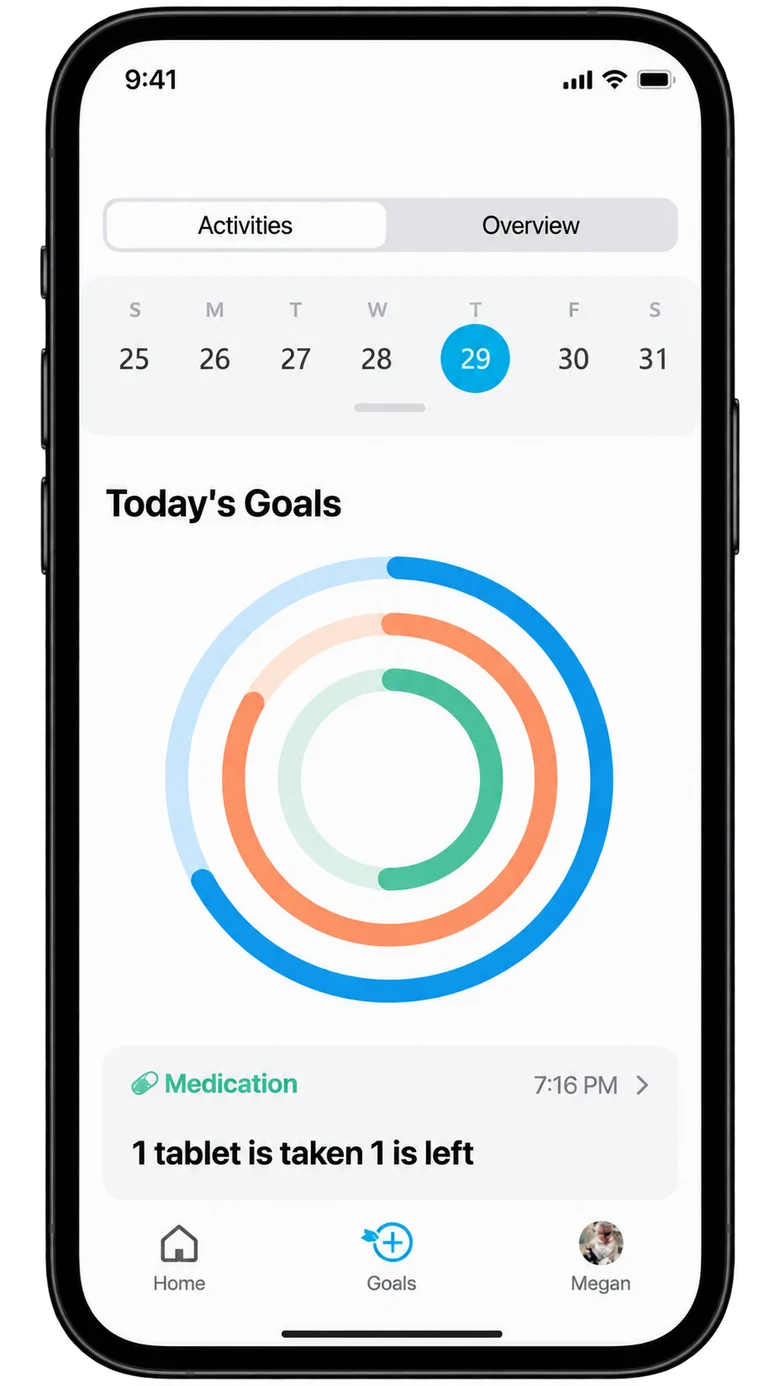
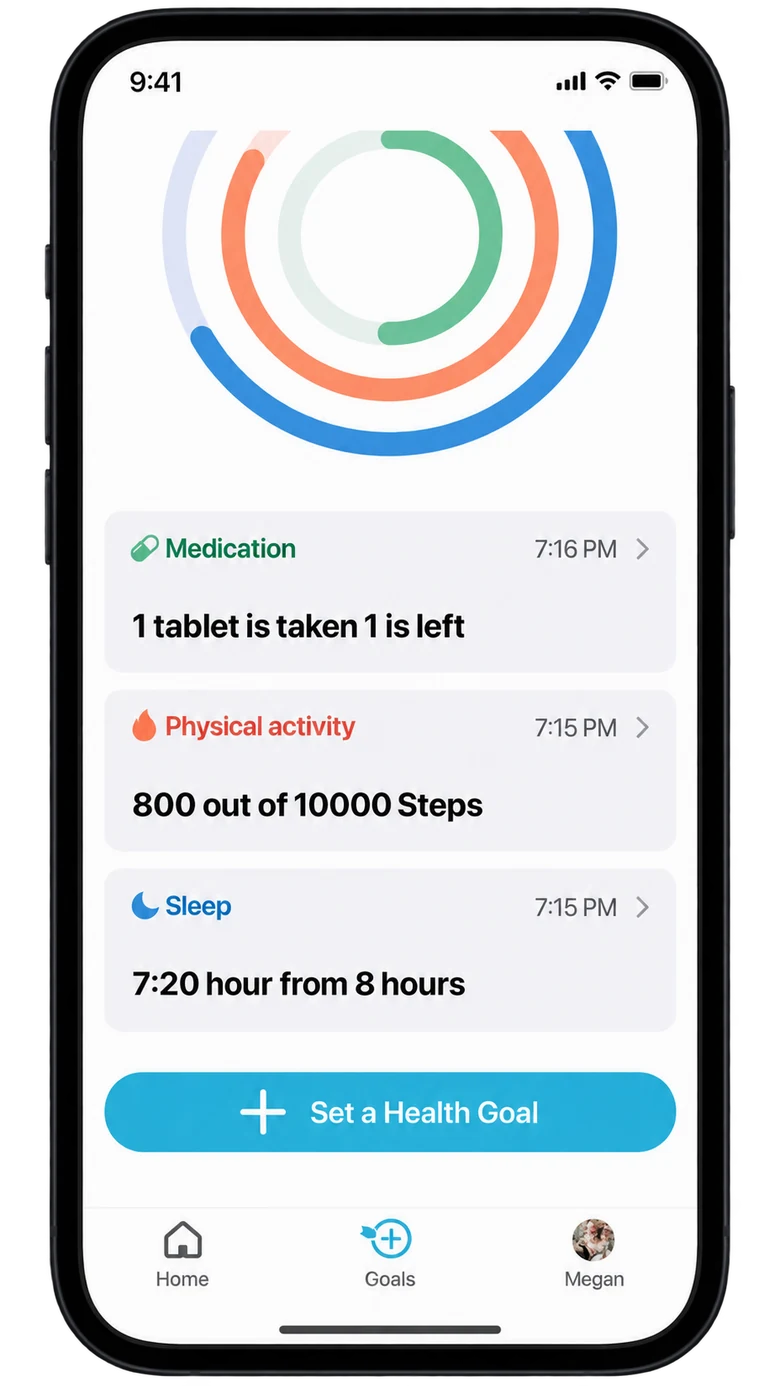
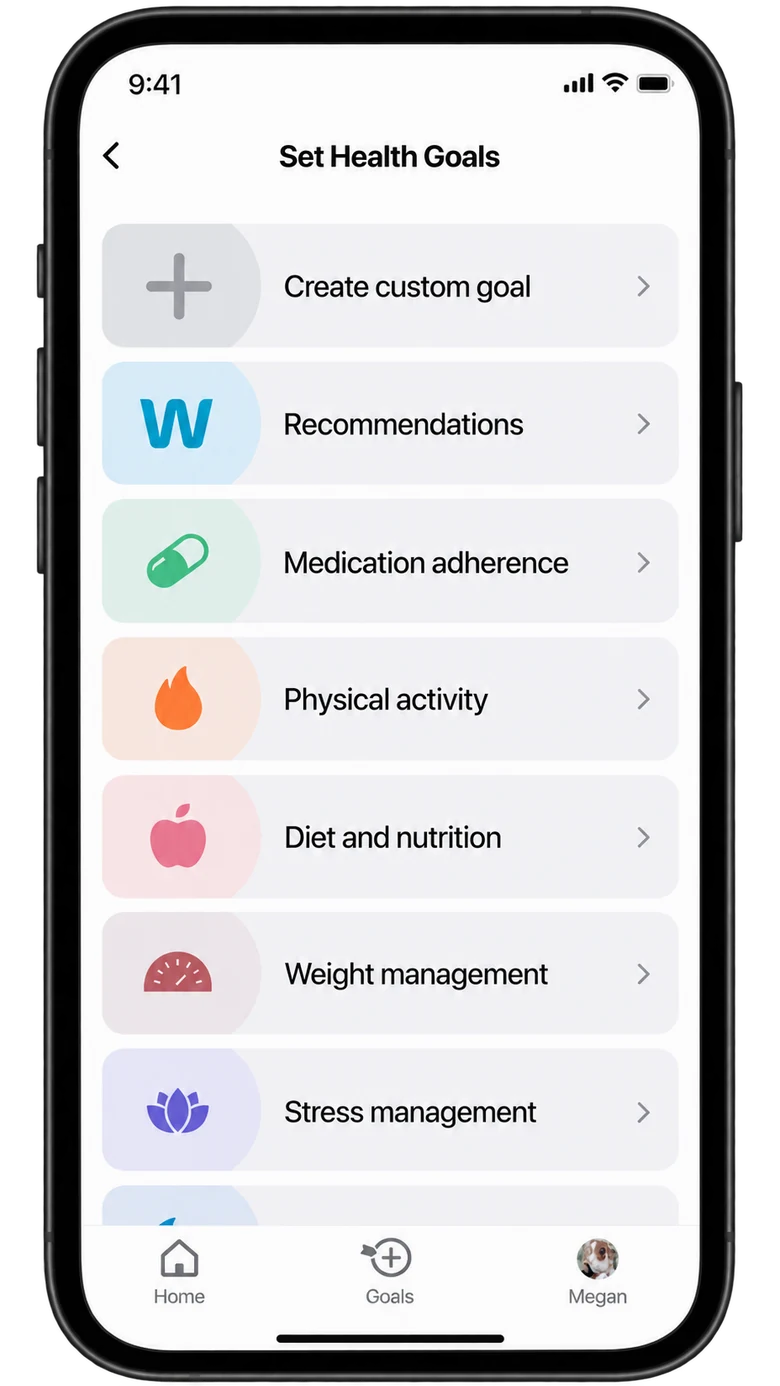
Review the chosen activity and consult guidance before setting its details.
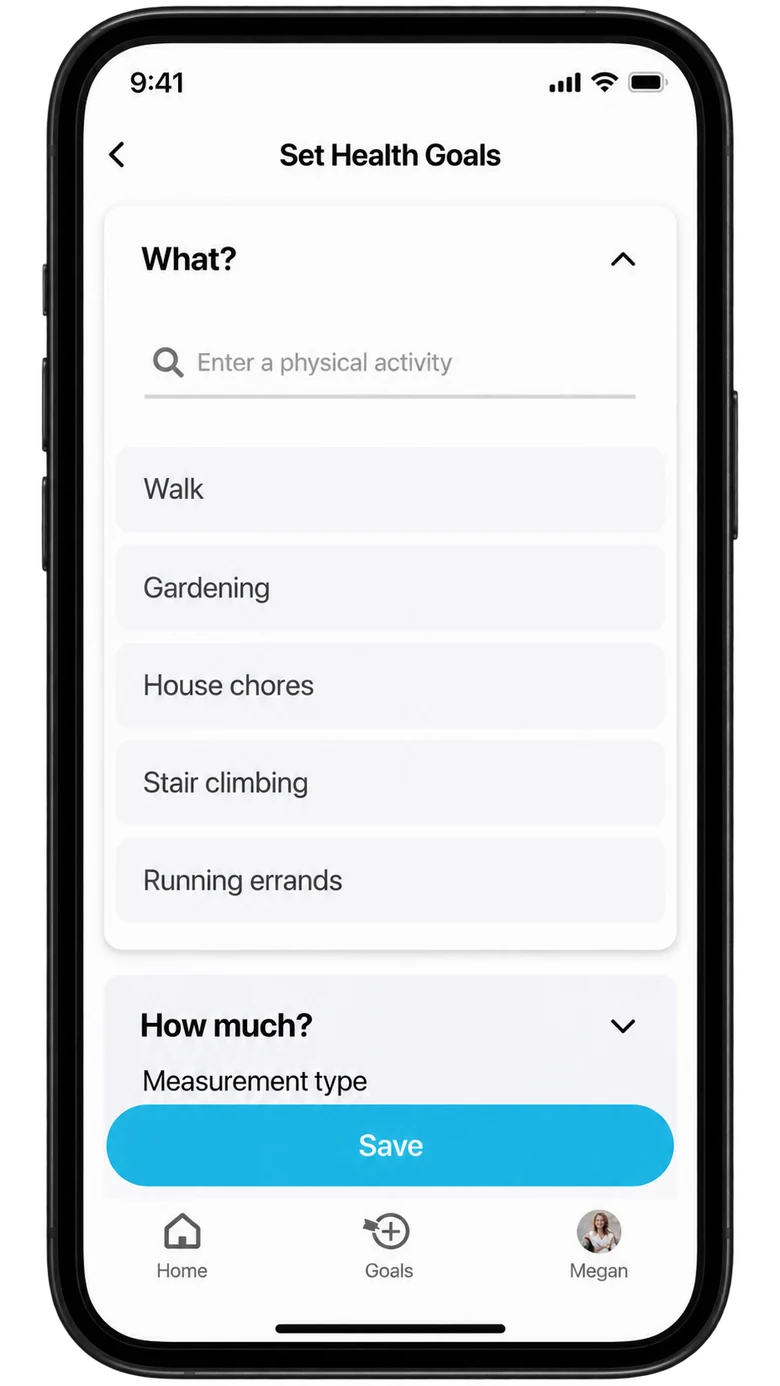
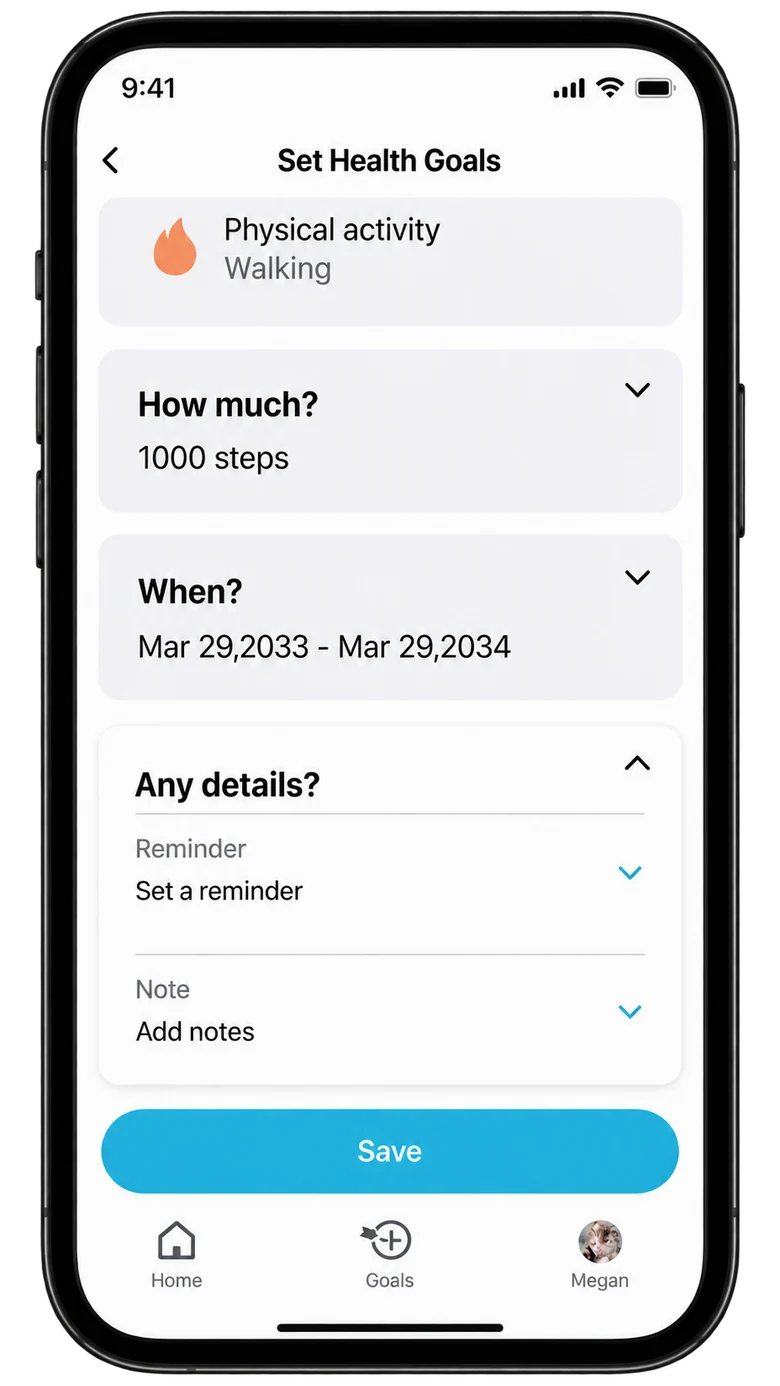
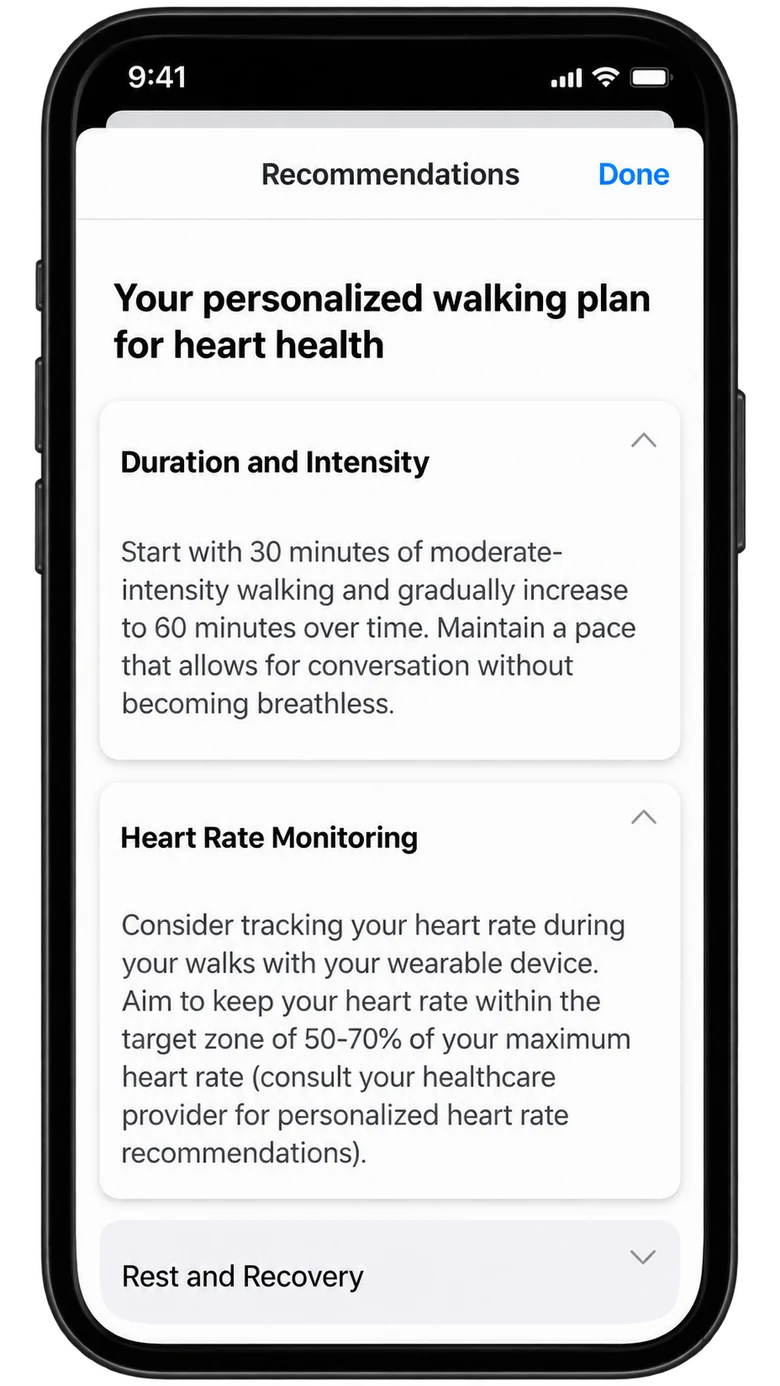
Set the timing and target, then return to daily activities.
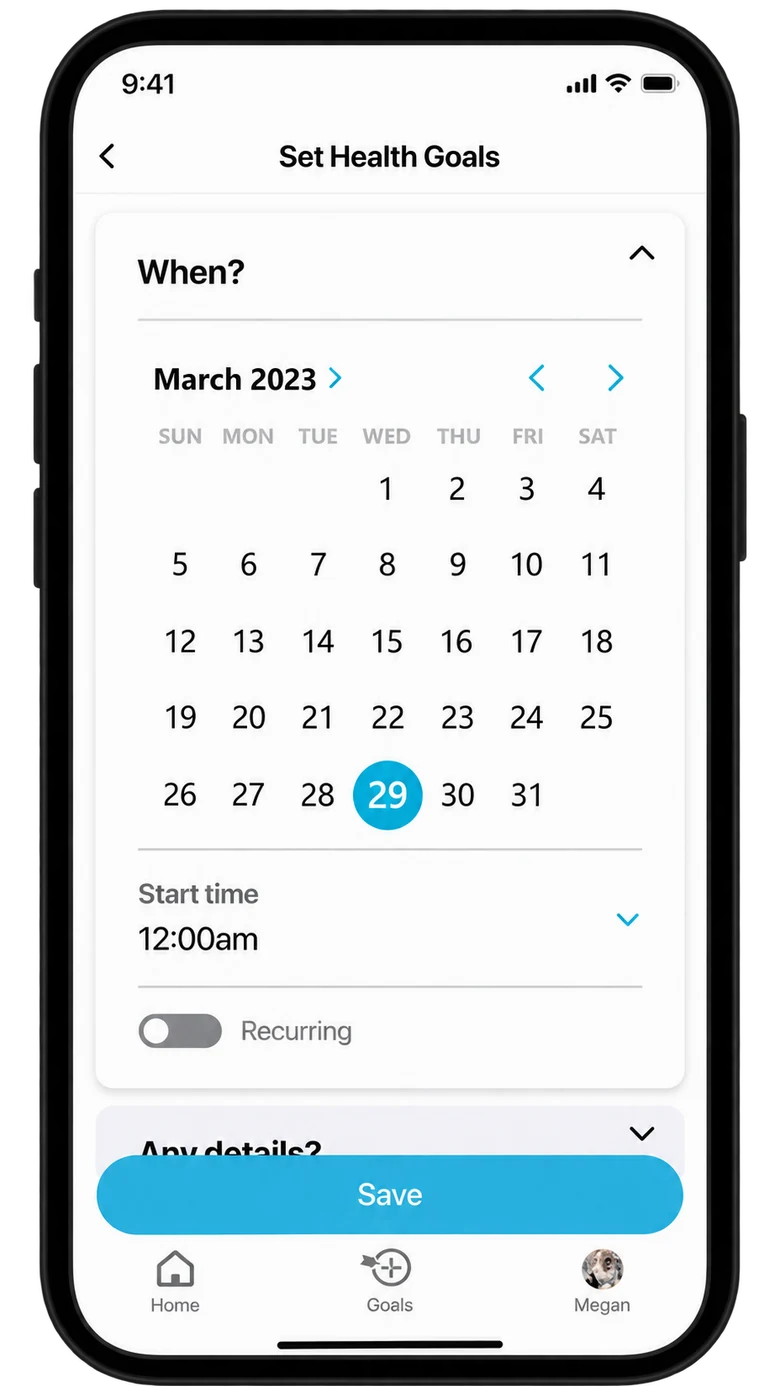
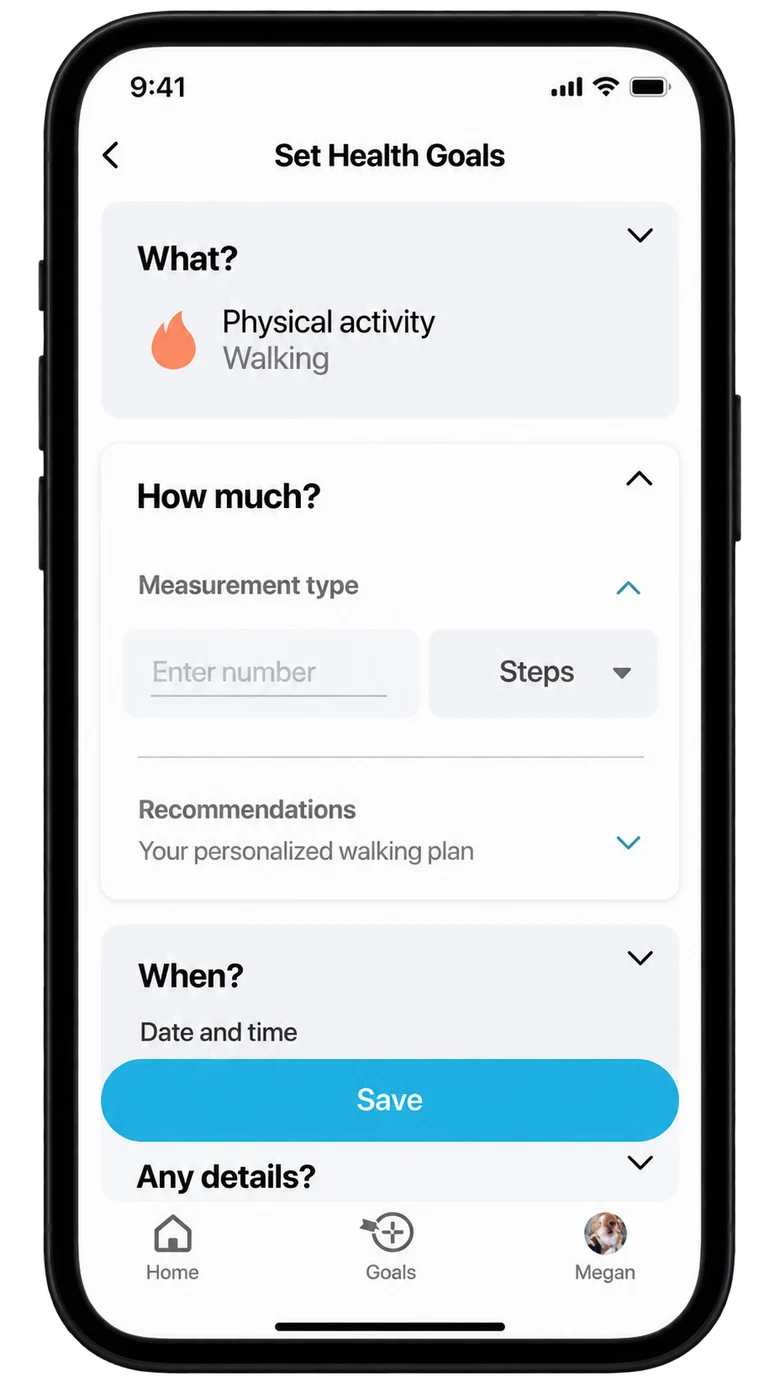
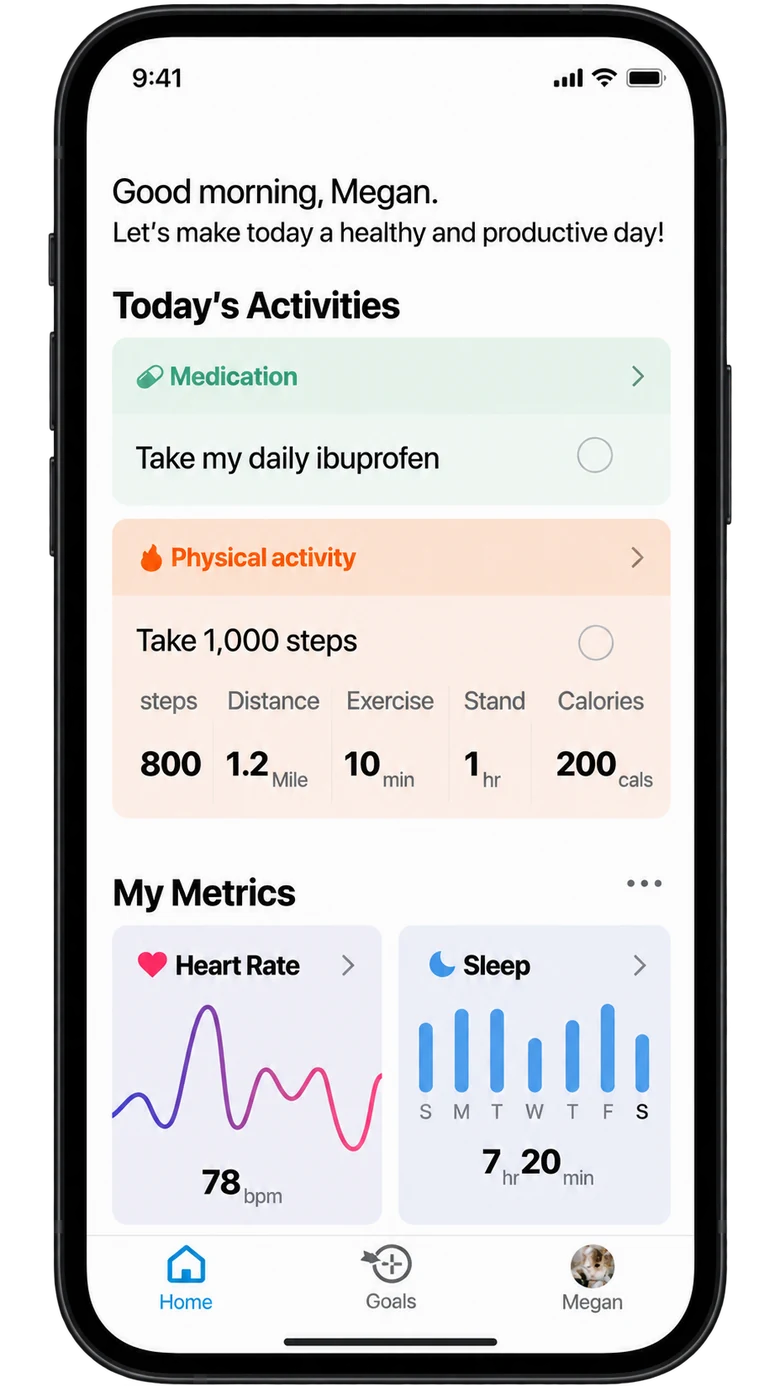
Solid paths are reconstructed from the screens. Dashed paths propose confirmation and recovery.
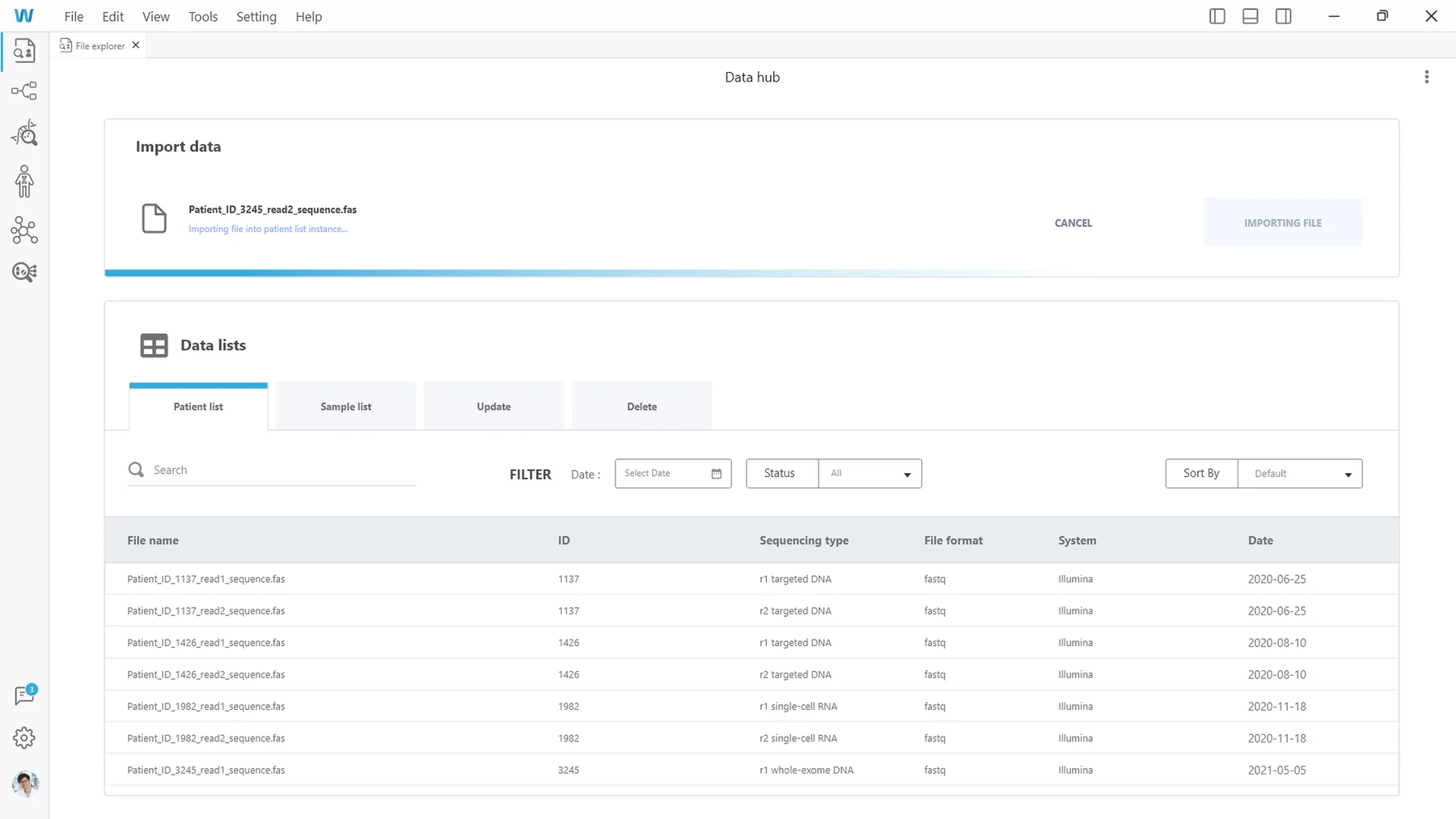
Specialists prepare data files, inspect biological sequences, and compare linked models across scales.
An analysis specialist moves from preparing files to inspecting sequences and comparing linked views, where context is easy to lose between selections, views, and scales.
Which files do I need?
Files and workflow steps feel disconnected
Files beside the workflow canvas
Which detail needs attention?
A selection loses its wider context
Sequence overview with selection details
How are these findings related?
Relationships are split across views
Linked pathways, networks, and details
What changes at another scale?
Context is lost between scales
Molecular and body views together
This journey is inferred from the desktop mockups. The barriers are hypotheses, not findings from user testing.
Files, sequences, and linked views each hold their own place in the workspace.
File management and visual scripting provide two ways to prepare an analysis.
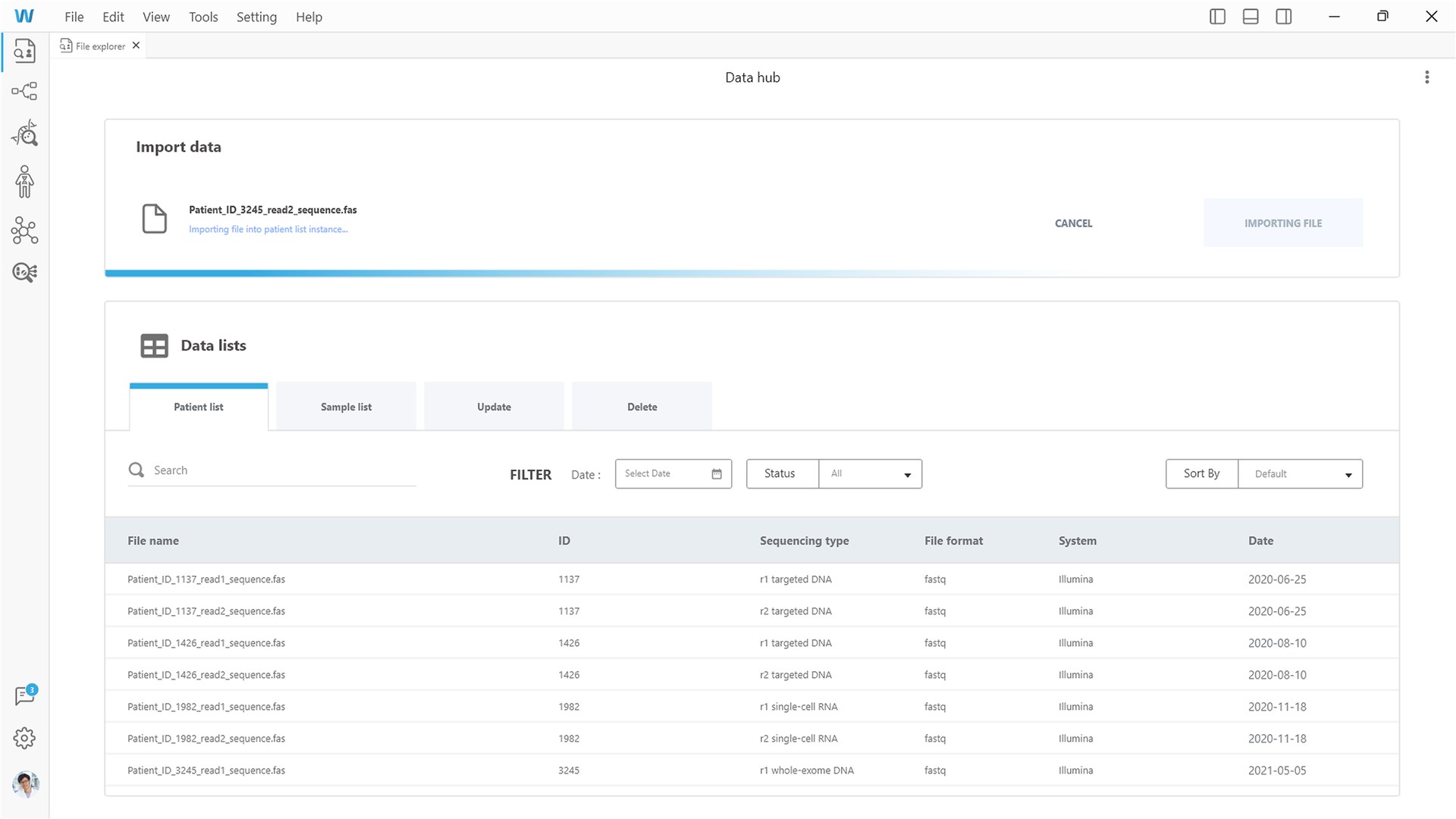
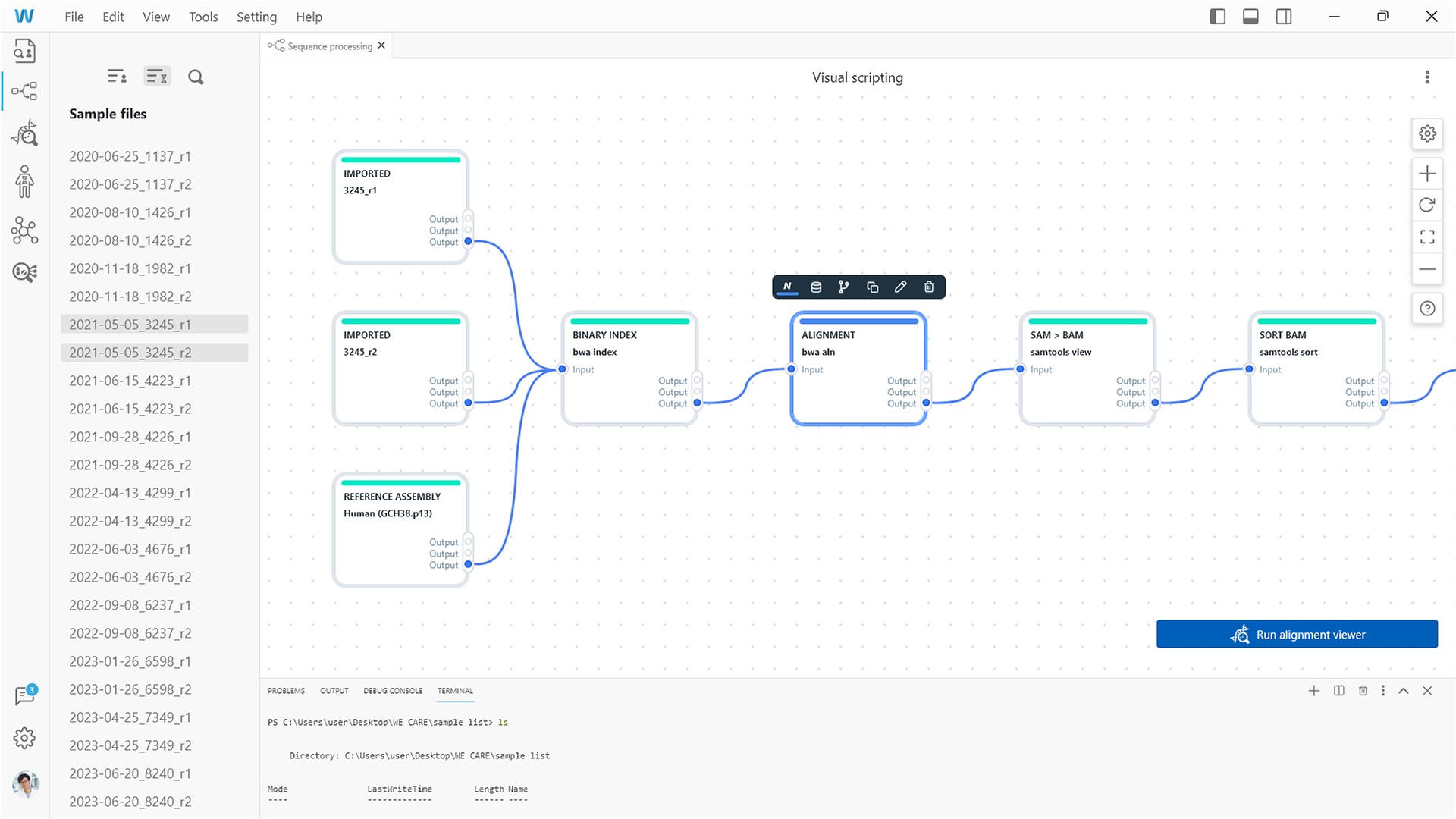
Sequence context stays in view while one selection is inspected in detail.
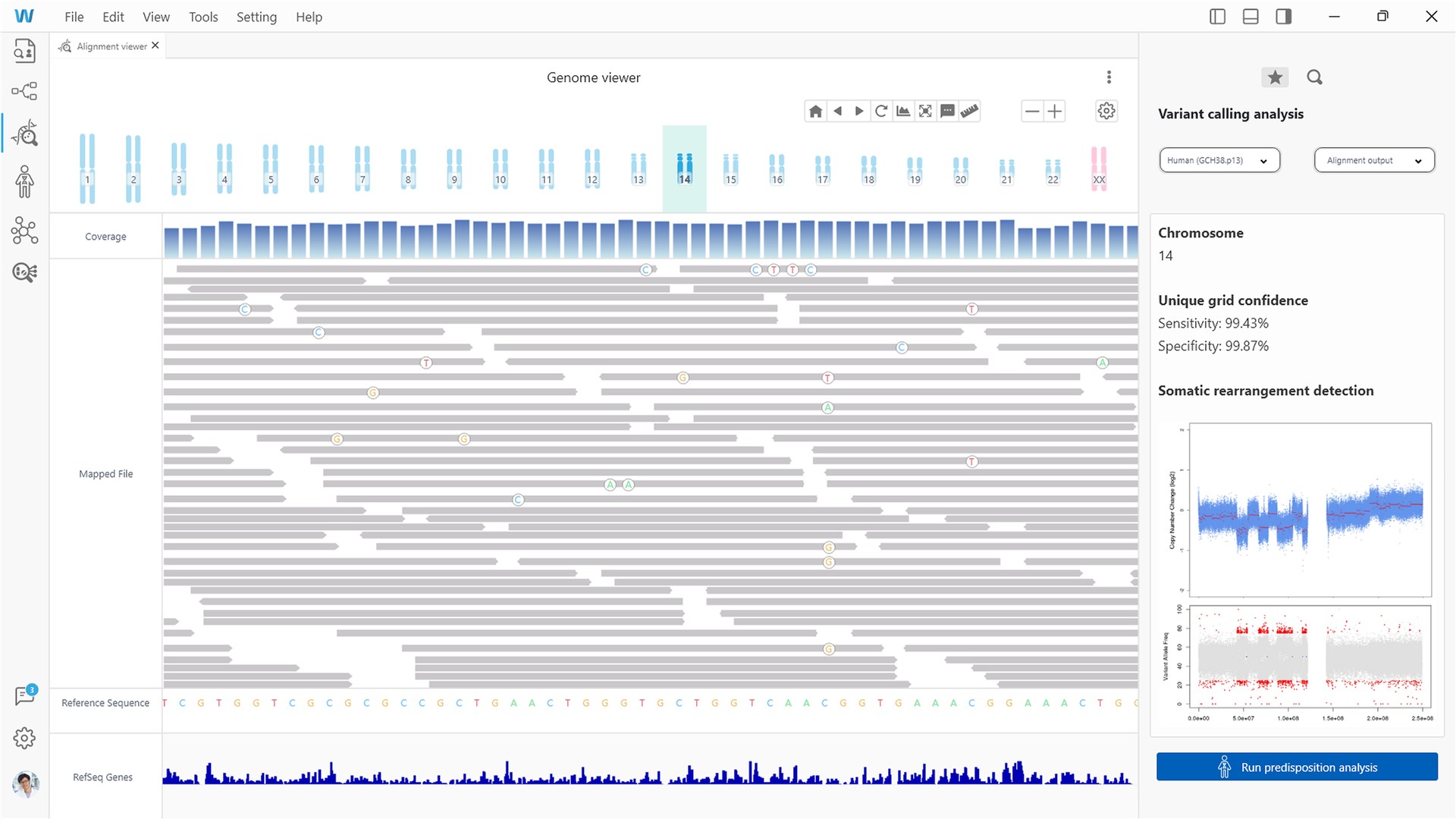
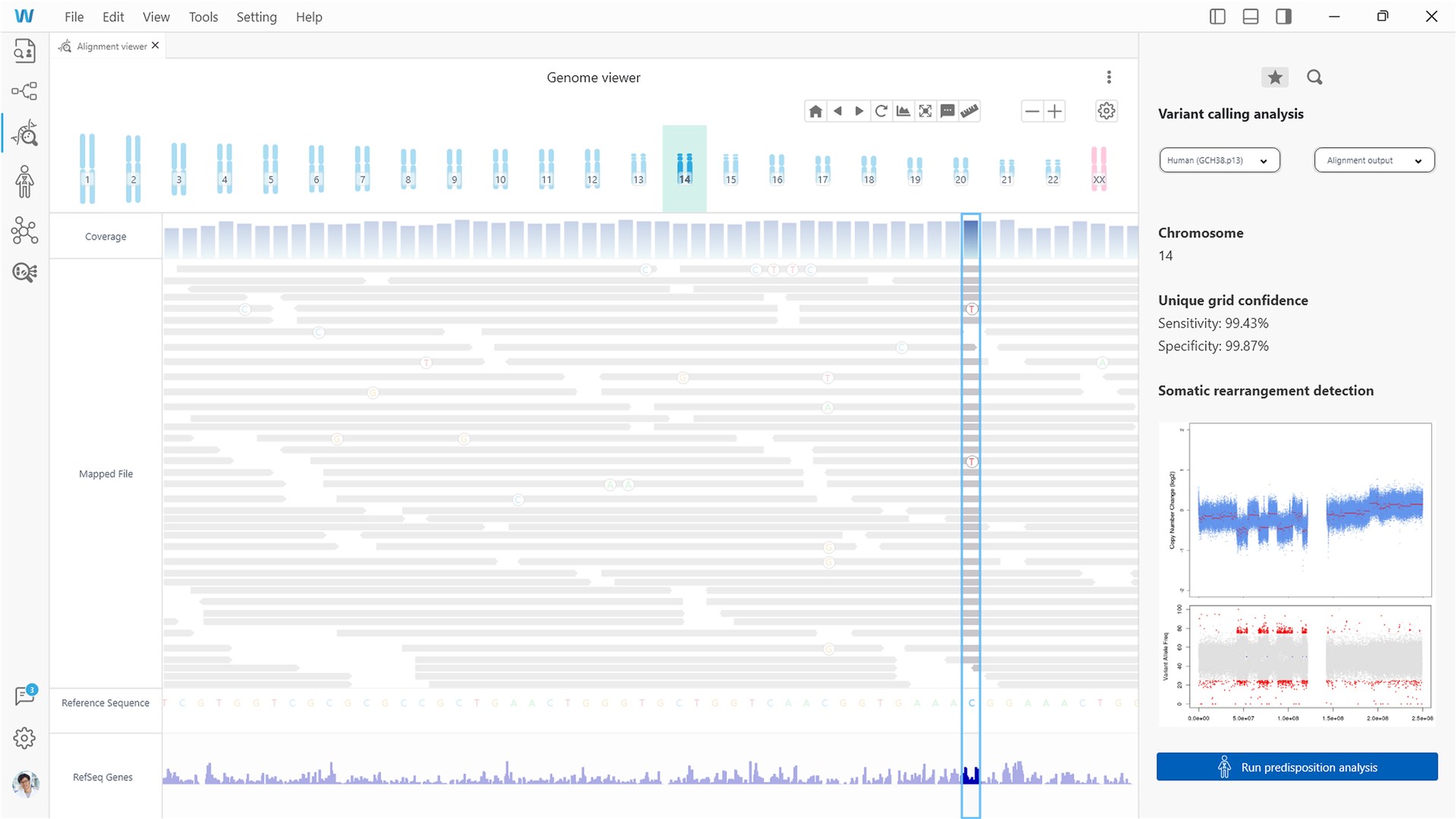
Body and pathway views present information at different biological scales.
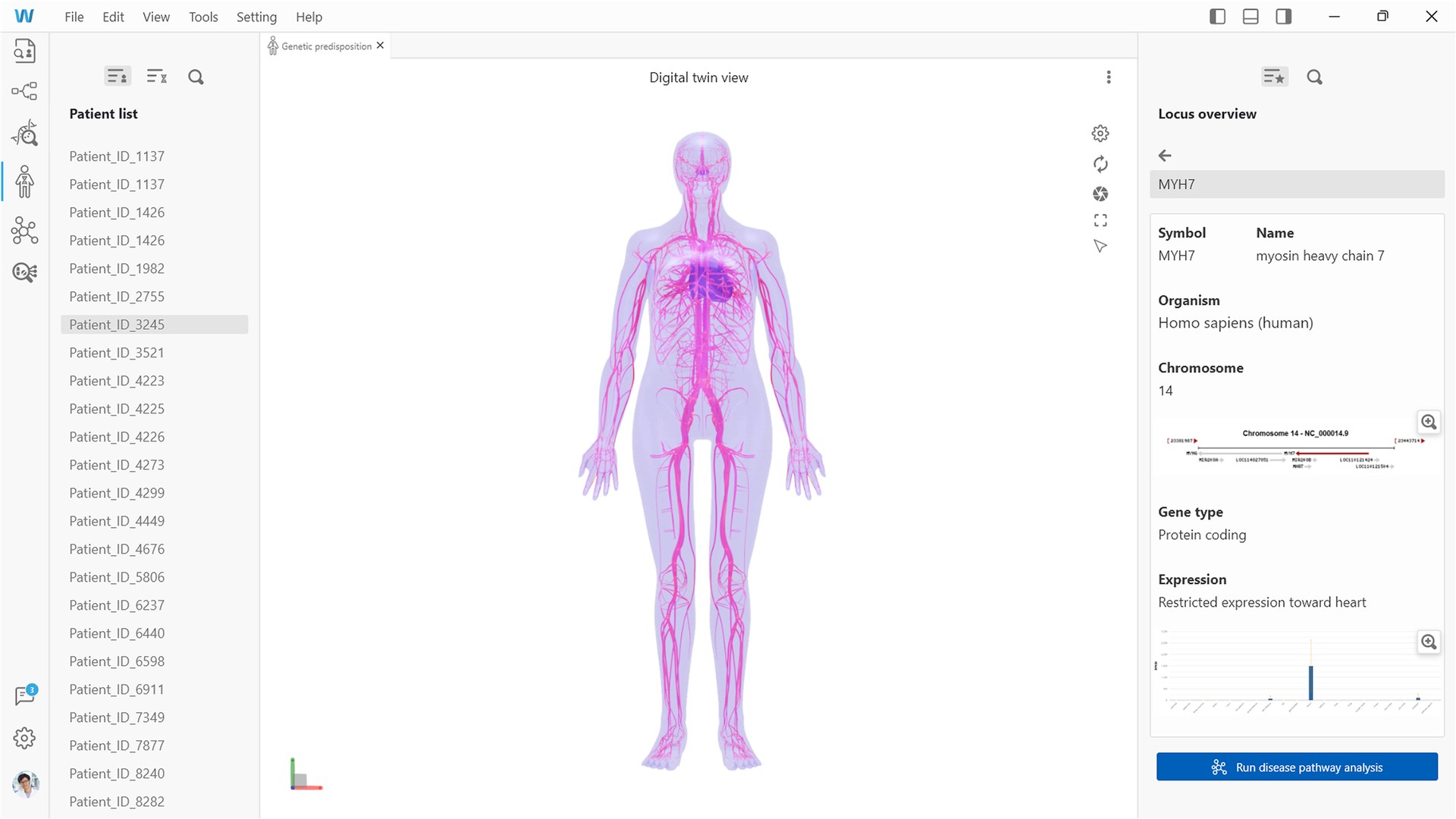
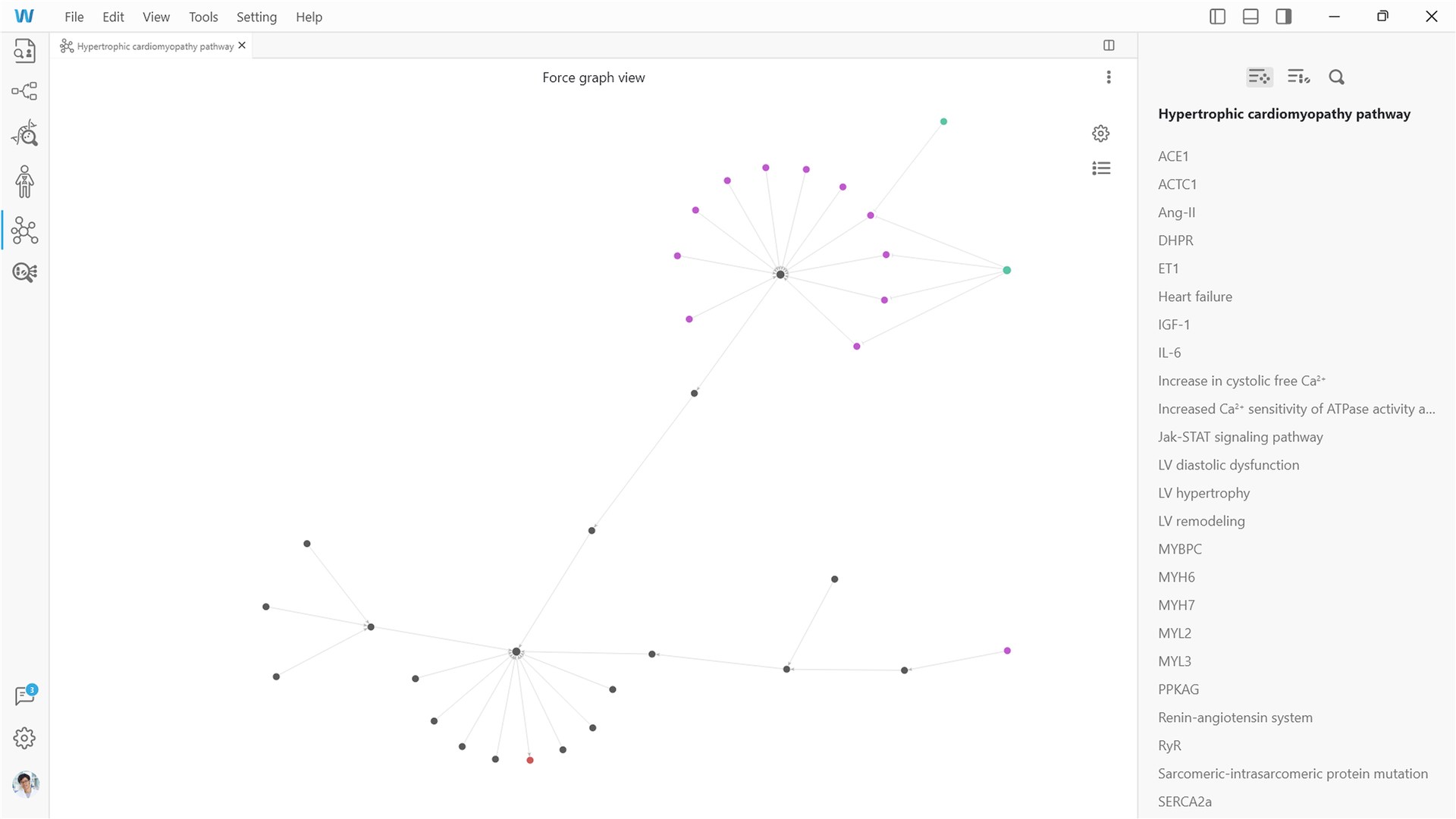
Network, molecular, and multi-scale views give specialists different perspectives on one analysis.
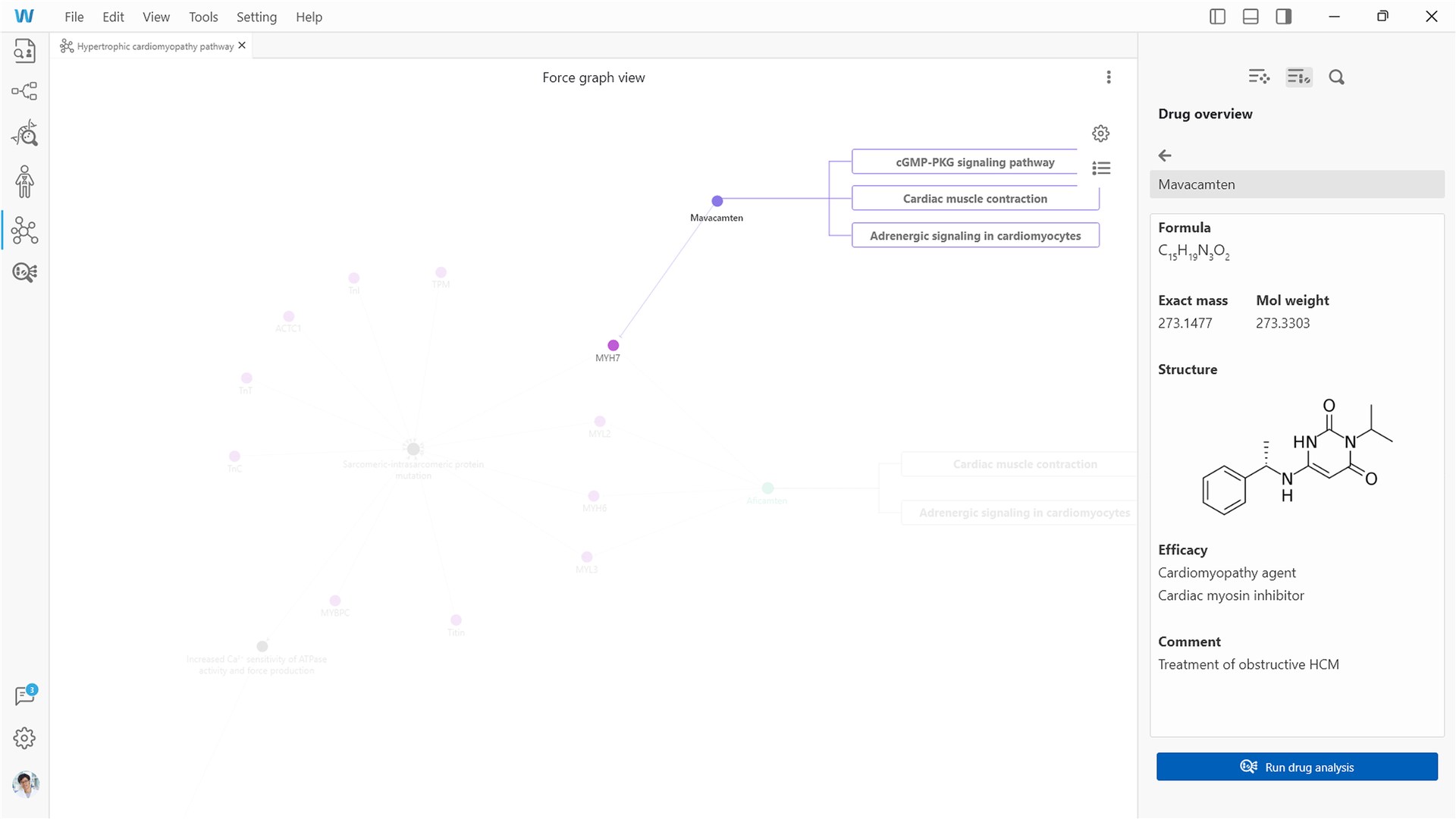
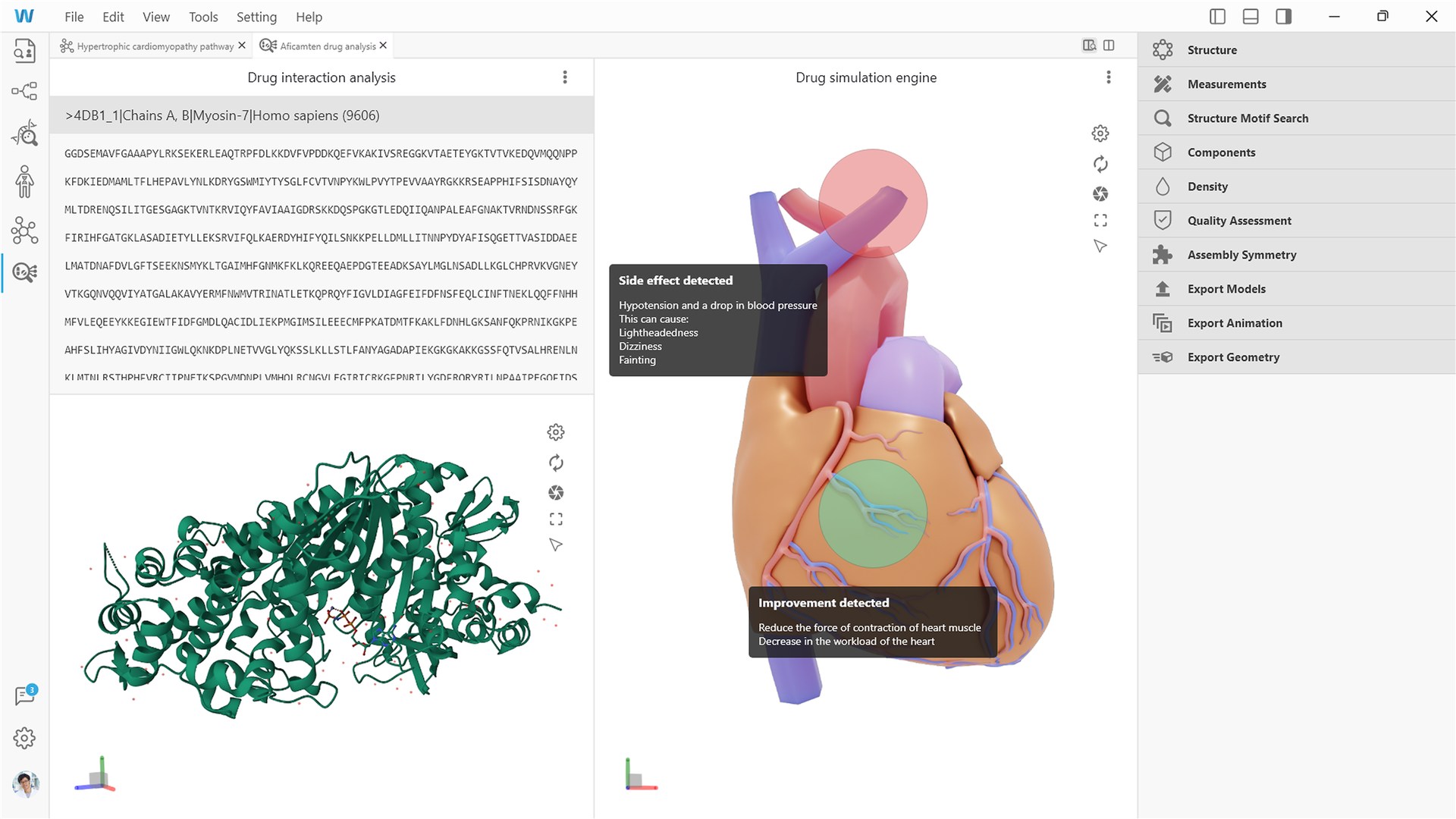
These screens explore an analyst workflow. Scientific validation has not been tested.
A shared visual identity supports two component sets: progress and goal controls for the app, and file, sequence, and analysis controls for the software.
Colors are sampled from the screens. Components are reconstructed, and the type scale is proposed.